


San Francisco's marine climate creates constant moisture challenges for property owners. Fog rolling in from the Pacific Ocean keeps humidity levels high year-round, promoting condensation inside walls and attics. Victorian and Edwardian homes throughout the Sunset District and Inner Richmond feature aging plumbing systems installed decades ago, increasing the risk of sudden pipe failures.
The city's hilly terrain causes drainage problems during heavy winter rains. Properties in North Beach and Telegraph Hill experience water intrusion through foundation walls as runoff flows downhill. Homes built on fill material near the Marina District face additional risks from high water tables that can seep through basement floors.
California building codes require specific moisture barriers and ventilation systems, but older San Francisco properties often lack these protections. When water damage occurs, the city's dense housing stock means problems spread quickly between connected units. Delayed response leads to structural rot in wooden framing and black mold colonization within 48 hours. Understanding these local factors helps property owners recognize warning signs early and respond before minor leaks become major restoration projects.
Summit Water Damage Restoration San Francisco maintains strategically positioned response vehicles throughout the Bay Area, ensuring we reach your property faster than competitors scrambling from distant warehouses. Our dispatch system tracks real-time traffic patterns across Highway 101, I-280, and the Bay Bridge to route the closest certified crew to your emergency. While other companies promise quick service, we document arrival times and maintain a verified average response under 60 minutes citywide.
Our technicians carry Institute of Inspection Cleaning and Restoration Certification credentials and operate truck-mounted extraction equipment powerful enough to remove thousands of gallons per hour. We deploy thermal imaging cameras to detect hidden moisture behind walls and under floors that standard moisture meters miss. This technology prevents callback visits and ensures complete drying the first time.
San Francisco property owners need a restoration company that understands insurance documentation requirements. Summit Water Damage Restoration provides detailed photo evidence, moisture readings, and equipment logs that satisfy even the strictest adjusters. We communicate directly with your insurance company, eliminating the stress of claim disputes while you focus on getting your life back to normal.
Our equipment inventory includes industrial dehumidifiers, air movers, and antimicrobial treatments stored in climate-controlled facilities ready for immediate deployment. We maintain relationships with local plumbers and electricians who respond alongside our crews when water damage involves broken pipes or electrical hazards. This coordinated approach completes restoration projects days faster than companies working alone.

Summit Water Damage Restoration San Francisco dispatches crews from multiple Bay Area locations to reach your property within one hour of your call. Our GPS-tracked vehicles carry complete extraction and drying equipment, eliminating delays waiting for additional trips. We arrive ready to stop water damage immediately.

Every Summit technician completes Institute of Inspection Cleaning and Restoration Certification training in water damage restoration protocols. Our crews follow documented drying standards and maintain continuing education in the latest remediation techniques. You get expertise, not guesswork, protecting your San Francisco property.
Summit Water Damage Restoration works directly with insurance adjusters, providing detailed documentation that supports your claim. We photograph damage, log moisture readings, and track equipment runtime to justify every restoration expense. Our reports meet carrier requirements, reducing claim denials and accelerating payment.
Summit understands San Francisco's Victorian architecture, marine climate challenges, and local building codes. We know which neighborhoods face drainage problems and how fog-belt humidity affects drying times. Our crews adapt restoration techniques to your property's specific construction and the Bay Area's unique environmental factors.
Summit Water Damage Restoration San Francisco provides comprehensive emergency response and restoration services for residential and commercial properties. Water intrusion creates immediate threats to structures, belongings, and health. Our systematic approach addresses every phase of water damage recovery, from initial extraction through final reconstruction.
Different water sources require distinct remediation protocols. Clean water from broken supply lines needs different treatment than contaminated water from sewage backups. Summit crews assess the water category, measure affected areas, and deploy appropriate equipment based on the specific situation. We handle small bathroom floods and multi-story building disasters with equal expertise.
San Francisco property owners benefit from our complete service range. Homeowners dealing with burst pipes receive the same rapid response as commercial clients managing sprinkler malfunctions. We coordinate with local contractors for repairs beyond water removal and drying, ensuring your property returns to pre-loss condition without managing multiple companies. Our services span emergency water removal, structural drying, mold prevention, contents restoration, and reconstruction coordination.
Summit Water Damage Restoration deploys truck-mounted extractors and submersible pumps to remove standing water from your San Francisco property within minutes of arrival. Our crews extract water from carpets, padding, and flooring before it penetrates deeper into structures. We pull back flooring materials when necessary to remove trapped water under surfaces. Emergency extraction prevents secondary damage by stopping water from spreading to unaffected areas, reducing overall restoration costs.
After extraction, Summit technicians position industrial dehumidifiers and air movers to dry walls, ceilings, and subfloors to optimal moisture levels. We monitor drying progress with thermal imaging and moisture meters, documenting readings until materials reach dry standards. Our equipment operates continuously until structures pass final inspection. Proper structural drying prevents wood rot, warping, and mold colonization. We adjust equipment placement based on airflow patterns specific to your property's layout.
Summit applies EPA-registered antimicrobial treatments to water-damaged surfaces, preventing mold spore germination during the drying process. San Francisco's high humidity creates ideal conditions for rapid mold growth after water events. Our crews treat affected materials within hours of water removal, stopping contamination before colonies establish. We remove porous materials like drywall and insulation when water contamination exceeds safe cleaning thresholds. Mold prevention protects your health and preserves property value.
San Francisco property owners contact Summit Water Damage Restoration for various water emergencies throughout the year. Winter storms bring the highest call volume as heavy rainfall overwhelms drainage systems and exposes roof vulnerabilities. Aging infrastructure in older neighborhoods creates year-round risks of sudden failures.
The city's diverse housing stock presents unique water damage patterns. Multi-unit buildings in the Mission District experience cascading damage when upstairs units flood. Single-family homes in the Outer Sunset face crawl space flooding from poor drainage. Commercial properties downtown deal with sprinkler system malfunctions and HVAC condensate leaks. Understanding these common scenarios helps property owners recognize problems early and prevents escalation. Summit responds to all water damage categories, from clean water supply line breaks to contaminated sewage backups requiring specialized handling.
Corroded copper pipes in San Francisco's vintage homes fail without warning, flooding rooms with hundreds of gallons before anyone notices. Winter freezes in unheated spaces burst pipes that rupture when temperatures rise. Washing machine hoses crack from age and spray water across laundry rooms. Summit stops supply line floods immediately and coordinates plumber dispatch for permanent repairs.
Heavy winter rains expose deteriorated flashing and missing shingles on San Francisco roofs. Water enters attics and travels through ceilings into living spaces below. Flat roofs on commercial buildings develop ponding that seeps through membrane seams. Summit extracts water from ceiling cavities, dries insulation, and documents roof failure causes for insurance claims.
Tree roots invade aging sewer lines throughout San Francisco neighborhoods, blocking waste flow and causing sewage to back up through floor drains and toilets. Main line blockages send contaminated water flooding into basements and ground floors. Summit handles category three water with proper containment, disposal, and antimicrobial treatment to eliminate health hazards.
Dishwasher supply lines fail during wash cycles, flooding kitchens while families sleep. Water heaters rust through and dump 40 gallons across garage floors. Refrigerator ice maker lines crack inside walls, creating hidden leaks that damage framing before detection. Summit uses moisture detection equipment to find hidden water and prevent long-term structural damage.
Summit Water Damage Restoration San Francisco maintains clear communication from the moment you call until final restoration completion. Property owners facing water emergencies need information and reassurance, not confusion. Our process eliminates uncertainty through documented procedures and consistent updates.
Your experience begins with our dispatcher asking specific questions about the water source, affected areas, and immediate hazards. This information determines crew size and equipment needs before arrival. You receive a text message with technician names, photos, and estimated arrival time. Our crews wear company uniforms and carry photo identification for your security.
Throughout restoration, you understand exactly what happens next. Technicians explain equipment function, drying timelines, and insurance documentation needs in plain language. We provide written scopes of work and daily progress updates. Summit takes responsibility for protecting your property and completing restoration correctly, eliminating the stress of managing a disaster.
Summit technicians arrive within one hour, assess water damage extent, and begin extraction immediately. Your crew chief explains the situation, identifies the water source category, and outlines the required restoration scope. We photograph damage, measure moisture levels, and document findings for insurance. You receive a written assessment and timeline before major work begins, eliminating surprises about process or cost.
Summit provides daily updates on drying progress, equipment adjustments, and timeline changes. Our technicians explain moisture meter readings and show you affected areas. You receive photos of hidden damage behind walls or under floors before removal. We coordinate directly with your insurance adjuster, copying you on all communications. You always know your project status without chasing down information.
Summit documents moisture readings in all affected materials, proving complete dryness before equipment removal. Your project manager conducts a final walkthrough, explaining completed work and answering remaining questions. We provide documentation packages for insurance claim closure and future property records. You receive contact information for follow-up questions and our guarantee covers workmanship for one year after completion.
Summit Water Damage Restoration follows systematic protocols proven to restore properties efficiently while preventing secondary damage. Our three-phase approach addresses immediate emergencies, complete drying, and final restoration. This structure eliminates confusion and ensures nothing gets overlooked during a stressful situation.
Summit crews arrive within 60 minutes and begin removing standing water immediately using truck-mounted extractors and submersible pumps. Technicians pull back saturated carpets, extract water from padding, and remove trapped moisture from flooring surfaces. We contain the affected area to prevent water spreading into adjacent rooms. Rapid extraction minimizes damage severity and reduces overall drying time for your San Francisco property.
After extraction, Summit positions industrial dehumidifiers and air movers to dry walls, ceilings, and subfloors completely. Technicians measure moisture levels twice daily using thermal imaging and moisture meters, documenting progress until materials reach optimal dryness. We adjust equipment placement based on drying patterns and maintain proper temperature and humidity levels. This phase typically requires three to five days depending on water damage extent and materials affected.
Summit removes equipment once moisture readings confirm complete dryness. We coordinate carpet reinstallation, flooring repairs, and any necessary reconstruction with licensed contractors. Our project manager conducts a final walkthrough, verifying all work meets industry standards and your satisfaction. You receive complete documentation including final moisture readings, photos, and equipment logs for insurance claim closure and your permanent records.
Professional water damage restoration follows documented standards established by the Institute of Inspection Cleaning and Restoration Certification. These protocols protect property owners and ensure consistent quality across restoration projects. Summit Water Damage Restoration San Francisco implements IICRC S500 Standard and Reference Guide for Professional Water Damage Restoration on every project, regardless of size.
The S500 standard categorizes water damage into three classes based on evaporation rate and affected materials. Class 1 involves minimal absorption into materials with slow evaporation. Class 4 requires specialized drying for materials like hardwood, plaster, and concrete that resist moisture release. San Francisco's marine climate affects drying calculations because ambient humidity slows evaporation compared to arid regions. Summit technicians adjust equipment deployment and drying timelines based on these local environmental factors.
Water damage also separates into three contamination categories. Category 1 involves clean water from supply lines and poses minimal health risks. Category 2 contains significant contamination from washing machine overflows or toilet bowl water without feces. Category 3 includes sewage, flooding from rivers or bays, and any water that contacted contaminated surfaces. Each category requires different handling protocols, personal protective equipment, and disposal methods. Summit crews identify water categories during initial assessment and follow appropriate safety procedures.
California requires proper handling and disposal of contaminated materials. Drywall and insulation contacted by category 3 water must be removed and disposed of according to state regulations. Summit maintains proper licensing for contaminated material handling and documents disposal at approved facilities. These regulations protect public health and prevent environmental contamination from improper waste management.
Moisture detection technology has advanced restoration accuracy significantly. Thermal imaging cameras reveal hidden water behind walls and under floors that surface inspection misses. Moisture meters provide quantified readings in wood, drywall, and concrete, eliminating guesswork about drying completion. Summit technicians document moisture readings at project start and track drying progress until materials reach acceptable levels defined in IICRC standards. This data-driven approach prevents premature equipment removal that leads to mold growth and structural damage.
Institute of Inspection Cleaning and Restoration Certification requires technicians to complete classroom training and pass written examinations covering water damage science, drying principles, and safety protocols. Summit maintains current IICRC credentials for all field technicians and project managers. Certification ensures your restoration crew understands psychrometrics, moisture measurement, and documentation standards rather than learning through trial and error on your property.
Water damage restoration costs depend on affected area size, water contamination category, materials involved, and drying difficulty. Category 3 sewage backups require specialized handling and disposal that increases costs compared to clean water floods. Hardwood floors and plaster walls resist drying more than carpet and drywall, requiring longer equipment runtime. Summit provides detailed estimates after assessment, breaking down equipment, labor, and disposal costs. Most insurance policies cover sudden water damage, reducing your out-of-pocket expense significantly.
Complete structural drying typically requires three to five days for standard residential water damage in San Francisco's climate. Dense materials like hardwood flooring and concrete may need seven to ten days to reach acceptable moisture levels. Summit monitors drying progress twice daily and adjusts timelines based on actual moisture readings rather than arbitrary schedules. Rushing equipment removal before complete dryness leads to mold growth and structural problems appearing weeks later.
California requires water damage restoration companies to maintain proper business licenses, liability insurance, and workers compensation coverage. Summit Water Damage Restoration carries two million dollars in general liability insurance protecting property owners from accidents during restoration. Our technicians work under workers compensation coverage, eliminating your liability for on-site injuries. We provide proof of insurance and licensing before beginning work, protecting you from uninsured contractor risks.
This video explains critical water damage response procedures for San Francisco property owners facing flooding, burst pipes, or water intrusion emergencies. Summit Water Damage Restoration covers immediate safety steps, proper water extraction techniques, and how San Francisco's marine climate affects drying timelines. Viewers learn why professional equipment removes hidden moisture that household tools miss and how rapid response prevents mold growth in Bay Area homes. The video details Summit's 60-minute emergency response process serving all San Francisco neighborhoods.
Summit Water Damage Restoration San Francisco maintains rapid response coverage across the entire Bay Area, from the Golden Gate Bridge south through Daly City and east to the Embarcadero waterfront. Our strategically positioned response vehicles ensure fast arrival times regardless of your property location or time of day. San Francisco's diverse neighborhoods present unique water damage challenges based on housing age, terrain, and proximity to the bay.
The Richmond District and Sunset District contain thousands of single-family homes built in the early 1900s with aging plumbing systems prone to sudden failures. These fog-belt neighborhoods experience persistent moisture from Pacific Ocean weather patterns, requiring careful attention to humidity control during restoration. Summit crews understand how marine air affects drying timelines and adjust equipment accordingly for properties west of Twin Peaks.
Downtown San Francisco and the Financial District feature high-rise commercial buildings where water damage on upper floors creates cascading problems through multiple levels below. We coordinate building management access, elevator usage for equipment transport, and tenant communication during commercial restoration projects. Our experience with San Francisco's vertical architecture ensures minimal business disruption while completing thorough water damage remediation.
North Beach and Telegraph Hill properties sit on steep slopes where drainage failures send water flowing downhill into basements and ground floors. Heavy winter rains overwhelm aging storm drains throughout these historic neighborhoods. Summit responds quickly to basement flooding and understands how the city's hillside geography affects water intrusion patterns. We implement drainage solutions that prevent recurring problems during future storms.
The Mission District and Potrero Hill contain mix-use buildings where residential units sit above ground-floor commercial spaces. Water damage in upstairs apartments threatens business inventory and equipment below. Summit coordinates with property managers and commercial tenants to protect assets while extracting water from multiple building levels. Our crews work efficiently to minimize income loss for affected businesses.
Marina District properties built on fill material face unique foundation challenges and high water tables that complicate water damage restoration. We deploy specialized equipment for below-grade moisture problems and coordinate with foundation specialists when water intrusion indicates larger structural issues. Summit understands the geologic factors affecting this neighborhood and adapts restoration approaches accordingly.
South of Market and the Embarcadero contain newer construction with modern building systems, but water damage still occurs from construction defects, HVAC failures, and sprinkler malfunctions. We work with building engineers and property management teams to address systemic issues while restoring immediate damage. Our documentation supports warranty claims and helps property owners pursue responsible parties for defect-related water damage.
Restoration costs in San Francisco depend on the extent of damage, affected areas, and water category. A small bathroom leak might run $1,500 to $3,000, while a flooded basement or multi-room damage can exceed $10,000. Factors include extraction, drying equipment, structural repairs, and mold prevention. San Francisco's older Victorian and Edwardian homes often require specialized techniques due to plaster walls and original wood flooring, which increases labor. Insurance typically covers sudden incidents like burst pipes, but not gradual leaks. Get a detailed estimate before work begins.
Absolutely. Ignoring water damage leads to structural rot, mold growth within 24 to 48 hours, and decreased property value. In San Francisco's fog-prone microclimate, moisture lingers longer in homes without proper ventilation, accelerating decay. Professional restoration prevents hidden damage behind walls and under floors that you cannot see. The cost of restoration is far less than rebuilding collapsed ceilings, replacing compromised framing, or treating toxic mold. If you plan to sell, undisclosed water damage kills deals. Act fast to protect your investment and health.
Stop the water source if safe. Turn off the main shut-off valve for burst pipes or appliances. Cut power to affected rooms to avoid electrocution. Move valuables and furniture to dry areas. Document damage with photos for insurance. Start extracting standing water with towels or a wet vacuum if minor. Open windows if weather permits to increase airflow. Do not enter rooms with standing water if electrical outlets are submerged. Call a restoration company immediately, especially in San Francisco where fog and marine air slow natural drying. Every hour counts before mold starts.
Restoration costs in San Francisco depend on the extent of damage, affected areas, and water category. A small bathroom leak might run $1,500 to $3,000, while a flooded basement or multi-room damage can exceed $10,000. Factors include extraction, drying equipment, structural repairs, and mold prevention. San Francisco's older Victorian and Edwardian homes often require specialized techniques due to plaster walls and original wood flooring, which increases labor. Insurance typically covers sudden incidents like burst pipes, but not gradual leaks. Get a detailed estimate before work begins.
Absolutely. Ignoring water damage leads to structural rot, mold growth within 24 to 48 hours, and decreased property value. In San Francisco's fog-prone microclimate, moisture lingers longer in homes without proper ventilation, accelerating decay. Professional restoration prevents hidden damage behind walls and under floors that you cannot see. The cost of restoration is far less than rebuilding collapsed ceilings, replacing compromised framing, or treating toxic mold. If you plan to sell, undisclosed water damage kills deals. Act fast to protect your investment and health.
Stop the water source if safe. Turn off the main shut-off valve for burst pipes or appliances. Cut power to affected rooms to avoid electrocution. Move valuables and furniture to dry areas. Document damage with photos for insurance. Start extracting standing water with towels or a wet vacuum if minor. Open windows if weather permits to increase airflow. Do not enter rooms with standing water if electrical outlets are submerged. Call a restoration company immediately, especially in San Francisco where fog and marine air slow natural drying. Every hour counts before mold starts.
Remediation is the emergency response: water extraction, drying, and stabilization to prevent further damage. Restoration is the rebuild: repairing drywall, replacing flooring, repainting, and returning your home to pre-loss condition. Think of remediation as stopping the bleeding and restoration as the surgery. Many San Francisco companies handle both phases, but some only remediate and subcontract repairs. You need both services to fully recover from water damage. Remediation happens first within 24 to 48 hours, while restoration can take days to weeks depending on scope.
Usually, yes, if the damage is sudden and accidental. Burst pipes, appliance failures, and storm-related flooding are typically covered. Gradual leaks from poor maintenance, foundation seepage, or neglect are not. Review your policy for exclusions and coverage limits. In San Francisco, earthquake-related water damage may require separate coverage. Document everything with photos, receipts, and mitigation records. Insurers often require you to mitigate damage immediately to avoid denying claims. Work with restoration companies experienced in insurance coordination to streamline approval and payment. Your deductible applies.
Servpro and similar franchises typically complete water extraction and drying within three to five days for standard residential jobs. Severe flooding or multi-story damage can take one to two weeks. Restoration and repairs add another week or more depending on materials and scope. Timelines vary by crew availability and equipment allocation. In San Francisco, older homes with hardwood floors and plaster walls may require longer drying times due to material density and humidity retention. Always confirm timelines in writing and ask about monitoring schedules to track drying progress.
Mold spores begin colonizing within 24 to 48 hours in damp conditions. San Francisco's coastal fog and mild temperatures create ideal mold environments if moisture is not removed quickly. Porous materials like drywall, insulation, and carpeting are most vulnerable. Mold releases mycotoxins that trigger respiratory issues and allergies. You may not see visible growth immediately, but it spreads behind walls and under flooring. Professional drying equipment and dehumidifiers are critical to prevent colonization. If water damage occurred more than two days ago, assume mold is present and request testing.
Water damage is expensive because it requires specialized equipment, skilled labor, and multi-phase work. Industrial dehumidifiers, air movers, moisture meters, and thermal imaging cameras cost thousands to operate. Technicians must monitor drying over days, not hours. Hidden damage behind walls and under floors requires demolition and reconstruction. San Francisco's labor costs are among the highest in the nation. Older homes with plaster, lath, and original hardwood demand delicate restoration techniques. Insurance claims add administrative overhead. Mold remediation, if needed, compounds costs. Delaying repairs only makes it worse.
Call immediately if you have standing water, visible ceiling stains, buckled flooring, or saturated drywall. Do not wait if you smell musty odors or notice peeling paint, which signal hidden moisture. In San Francisco, even minor leaks worsen quickly due to fog and limited sunlight for natural drying. Emergency situations like burst pipes, sewage backups, or appliance floods require 24/7 response. If water damage occurred more than 24 hours ago, mold is likely forming. Professionals have moisture detection tools to find hidden damage you cannot see. Speed reduces total repair costs.
Verify IICRC certification, which proves technicians are trained in water damage protocols. Confirm they carry liability insurance and workers' compensation. Ask for local references in San Francisco neighborhoods like the Sunset, Mission, or Pacific Heights. Companies familiar with Victorian and Edwardian architecture understand plaster wall drying and hardwood floor restoration. Check response time guarantees for emergencies. Request detailed written estimates before work begins. Avoid cash-only operators or those pressuring immediate contracts. Look for transparent pricing, moisture monitoring schedules, and experience with insurance claims. Local expertise matters in San Francisco's unique housing stock.
Remediation is the emergency response: water extraction, drying, and stabilization to prevent further damage. Restoration is the rebuild: repairing drywall, replacing flooring, repainting, and returning your home to pre-loss condition. Think of remediation as stopping the bleeding and restoration as the surgery. Many San Francisco companies handle both phases, but some only remediate and subcontract repairs. You need both services to fully recover from water damage. Remediation happens first within 24 to 48 hours, while restoration can take days to weeks depending on scope.
Usually, yes, if the damage is sudden and accidental. Burst pipes, appliance failures, and storm-related flooding are typically covered. Gradual leaks from poor maintenance, foundation seepage, or neglect are not. Review your policy for exclusions and coverage limits. In San Francisco, earthquake-related water damage may require separate coverage. Document everything with photos, receipts, and mitigation records. Insurers often require you to mitigate damage immediately to avoid denying claims. Work with restoration companies experienced in insurance coordination to streamline approval and payment. Your deductible applies.
Servpro and similar franchises typically complete water extraction and drying within three to five days for standard residential jobs. Severe flooding or multi-story damage can take one to two weeks. Restoration and repairs add another week or more depending on materials and scope. Timelines vary by crew availability and equipment allocation. In San Francisco, older homes with hardwood floors and plaster walls may require longer drying times due to material density and humidity retention. Always confirm timelines in writing and ask about monitoring schedules to track drying progress.
Mold spores begin colonizing within 24 to 48 hours in damp conditions. San Francisco's coastal fog and mild temperatures create ideal mold environments if moisture is not removed quickly. Porous materials like drywall, insulation, and carpeting are most vulnerable. Mold releases mycotoxins that trigger respiratory issues and allergies. You may not see visible growth immediately, but it spreads behind walls and under flooring. Professional drying equipment and dehumidifiers are critical to prevent colonization. If water damage occurred more than two days ago, assume mold is present and request testing.
Water damage is expensive because it requires specialized equipment, skilled labor, and multi-phase work. Industrial dehumidifiers, air movers, moisture meters, and thermal imaging cameras cost thousands to operate. Technicians must monitor drying over days, not hours. Hidden damage behind walls and under floors requires demolition and reconstruction. San Francisco's labor costs are among the highest in the nation. Older homes with plaster, lath, and original hardwood demand delicate restoration techniques. Insurance claims add administrative overhead. Mold remediation, if needed, compounds costs. Delaying repairs only makes it worse.
Call immediately if you have standing water, visible ceiling stains, buckled flooring, or saturated drywall. Do not wait if you smell musty odors or notice peeling paint, which signal hidden moisture. In San Francisco, even minor leaks worsen quickly due to fog and limited sunlight for natural drying. Emergency situations like burst pipes, sewage backups, or appliance floods require 24/7 response. If water damage occurred more than 24 hours ago, mold is likely forming. Professionals have moisture detection tools to find hidden damage you cannot see. Speed reduces total repair costs.
Verify IICRC certification, which proves technicians are trained in water damage protocols. Confirm they carry liability insurance and workers' compensation. Ask for local references in San Francisco neighborhoods like the Sunset, Mission, or Pacific Heights. Companies familiar with Victorian and Edwardian architecture understand plaster wall drying and hardwood floor restoration. Check response time guarantees for emergencies. Request detailed written estimates before work begins. Avoid cash-only operators or those pressuring immediate contracts. Look for transparent pricing, moisture monitoring schedules, and experience with insurance claims. Local expertise matters in San Francisco's unique housing stock.
Our commitment to rapid response means we cover the entire San Francisco area and surrounding communities. View the map below to visualize our primary service region, which includes key neighborhoods and business districts. Whether you are located in the Financial District, the Mission, or out toward the Sunset, you can trust our 24/7 team to reach you quickly. We proudly serve both residential and commercial clients across the entire map, guaranteeing a fast and effective mitigation service the moment you need us.
Address:
San Francisco, CA, 94102
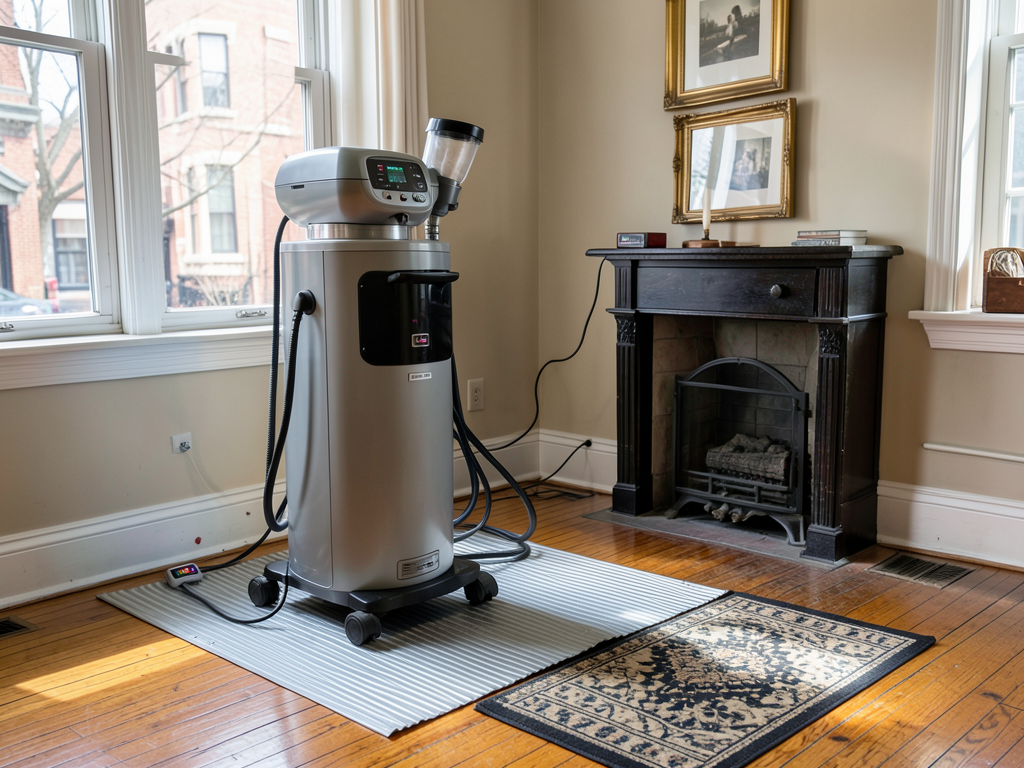
Understanding the Speed Benefits of Structural Heat Drying for a Rapid Recovery When water invades your San Francisco property every hour counts. Traditional drying methods using air movers and dehumidifiers can take 3-5 days to…
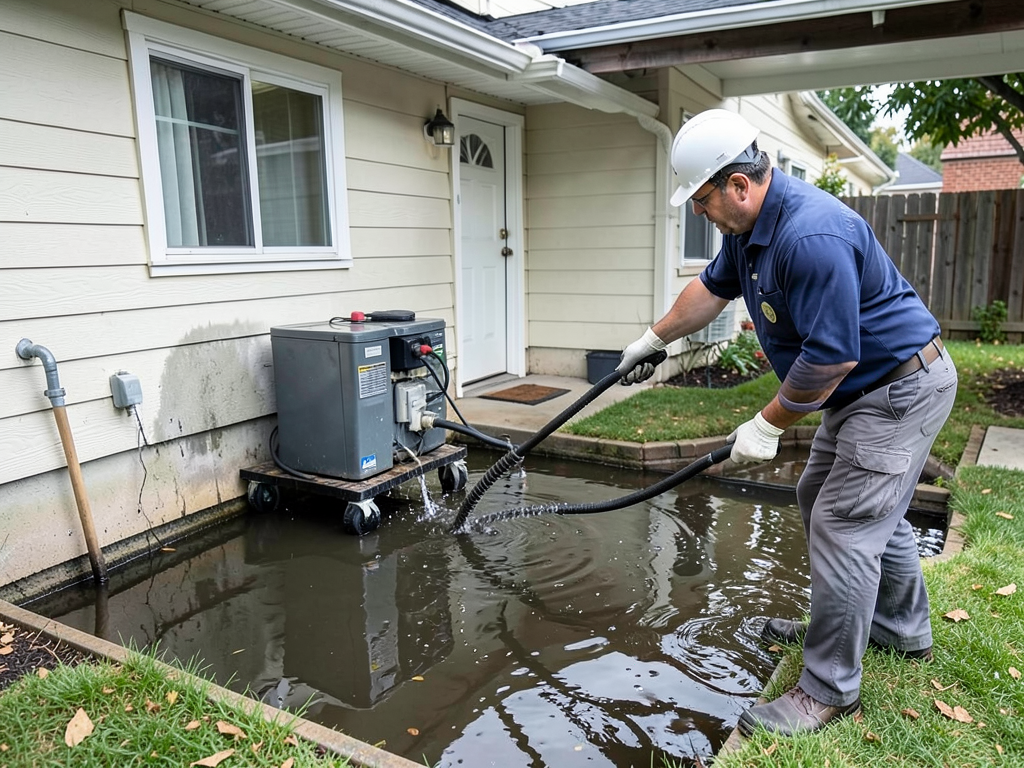
What to Do if Your New Backyard ADU Floods During a Heavy San Francisco Rain…
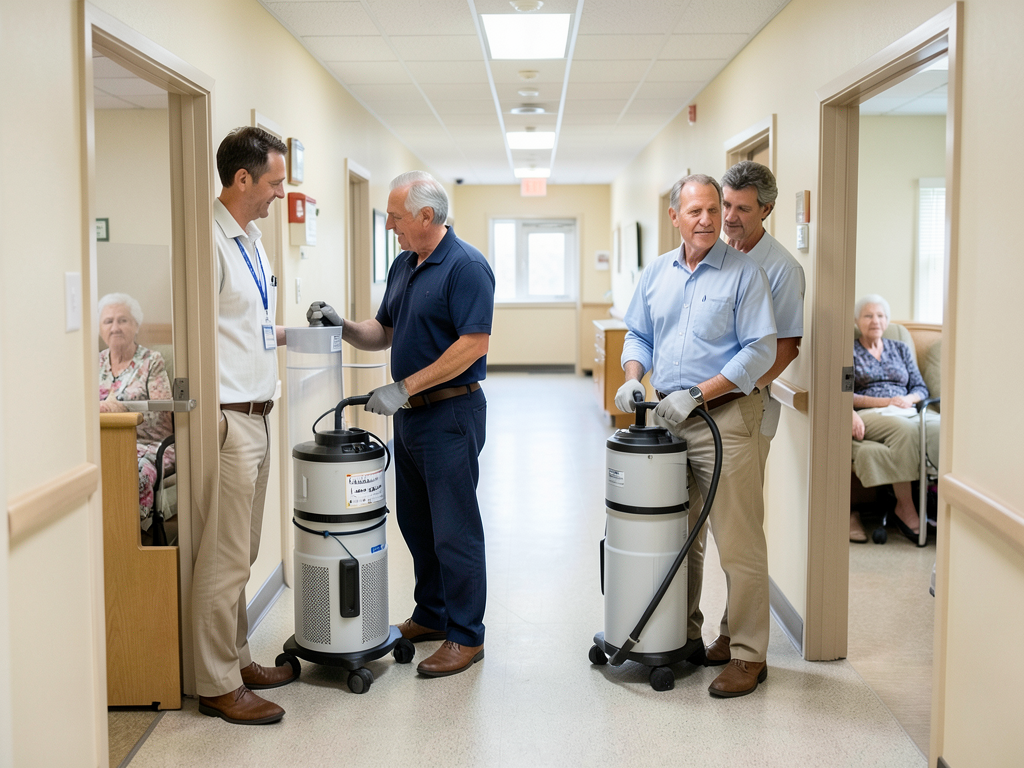
Specialized Senior Living Water Restoration Services in San Francisco Water damage in a Richmond District…
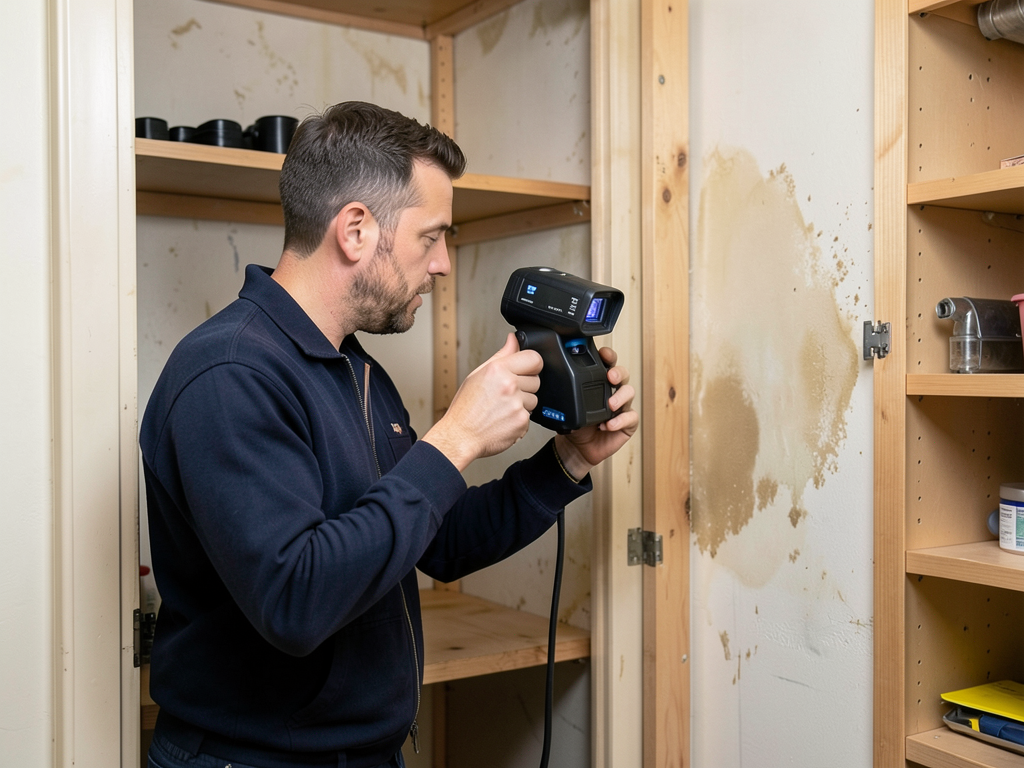
Why Your Noe Valley High Efficiency Boiler Could Be Slowly Flooding Your Utility Closet If…
Water damage spreads quickly and destroys property value when restoration delays. Summit Water Damage Restoration San Francisco dispatches certified crews to your property within 60 minutes, 24 hours a day. Call (415) 449-6555 now for immediate emergency response and stop water damage before it gets worse.